
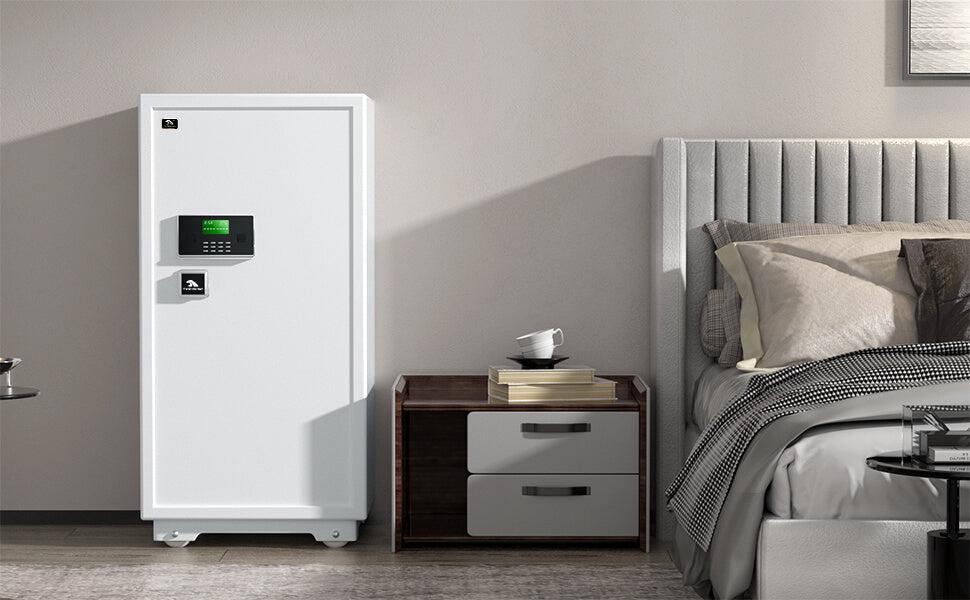
First, let's look at the factors that play a part in how heavy a safe is, such as its composition, steel wall thickness, size, and design.
Composition and Steel Wall Thickness
The combination of metal and protective materials used in a safe plays one of the biggest roles in determining its weight. High-quality safes often use multiple protective layers, including fire-resistant materials that help shield valuables from heat and flames.
Steel wall thickness also affects a safe's weight. Thicker steel adds considerable weight and generally provides stronger resistance against cutting, bending, and drilling. However, the materials and construction methods vary by manufacturer.
Size of Safe
Generally speaking, larger safes are heavier due to the increased amount of material used. As a rule of thumb, it is recommended to choose a safe that offers more internal space than is currently needed. Over time, most owners accumulate additional valuables, important documents, or personal items that require secure storage.
Larger and heavier safes can also offer improved stability and are more difficult to tip or reposition.
Design Features
Depending on the manufacturer, safes may include a range of built-in security features that increase both weight and protection. These features often include reinforced doors, hardened locking bolts, and heavy-duty locking systems.
These features add weight while helping improve resistance to tampering and forced entry.

The Benefits of Heavy Safes
One of the most obvious advantages of heavy safes is that they cannot be easily carried away during a burglary. Even if an intruder gains access to a property, the weight of the safe makes removal more difficult.
A high-quality safe's weight often comes from its steel construction and protective materials. These elements contribute to resistance against forced entry and help protect valuable items. However, weight alone is not the only factor that determines overall security. Lock type, security features, construction quality, and anchoring options all play important roles.
How Much Does a Good Heavy Safe Weigh?
There is no universal weight requirement for a good home safe. The right weight depends on the safe's size, construction, security features, and intended use.
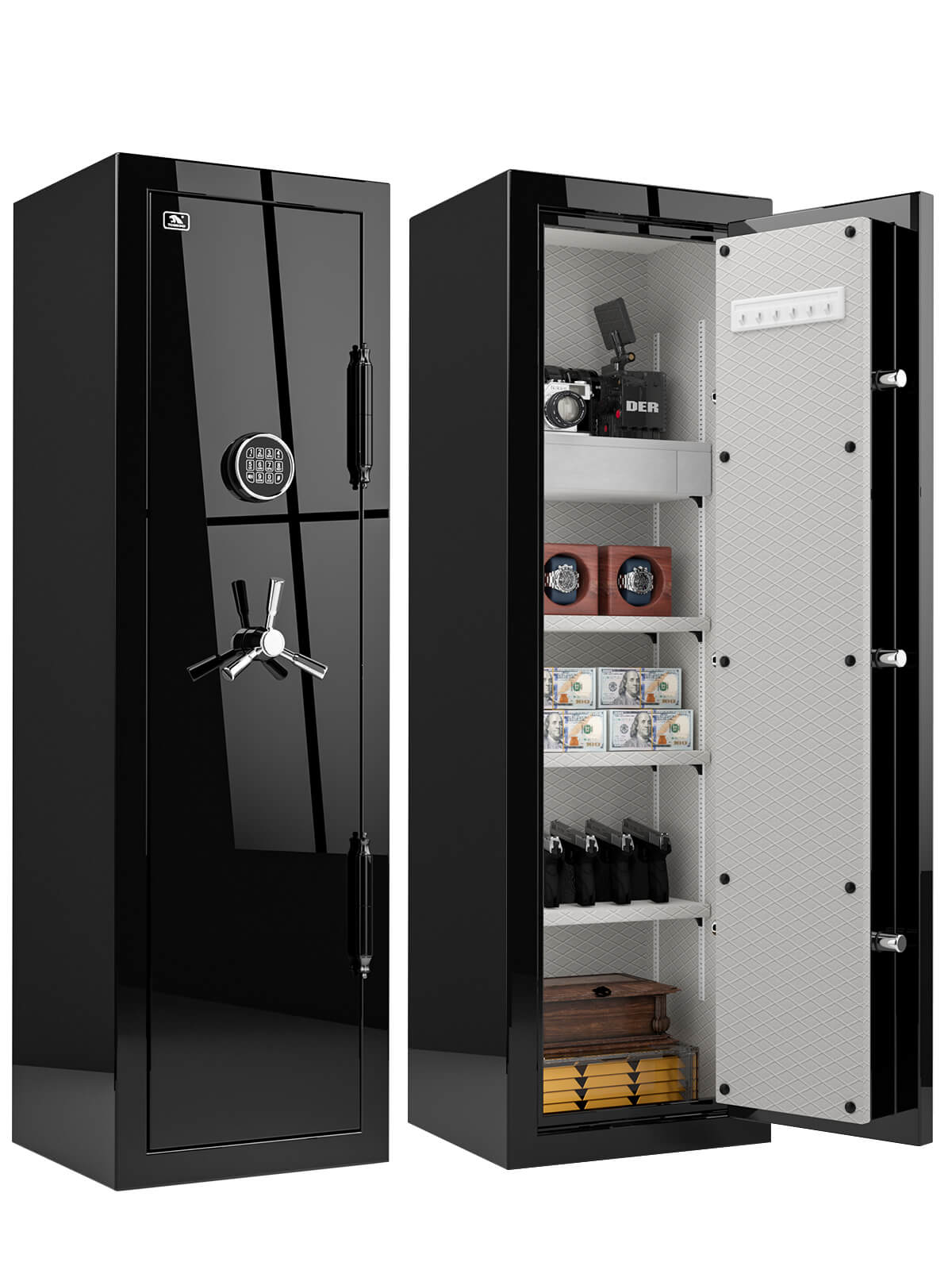
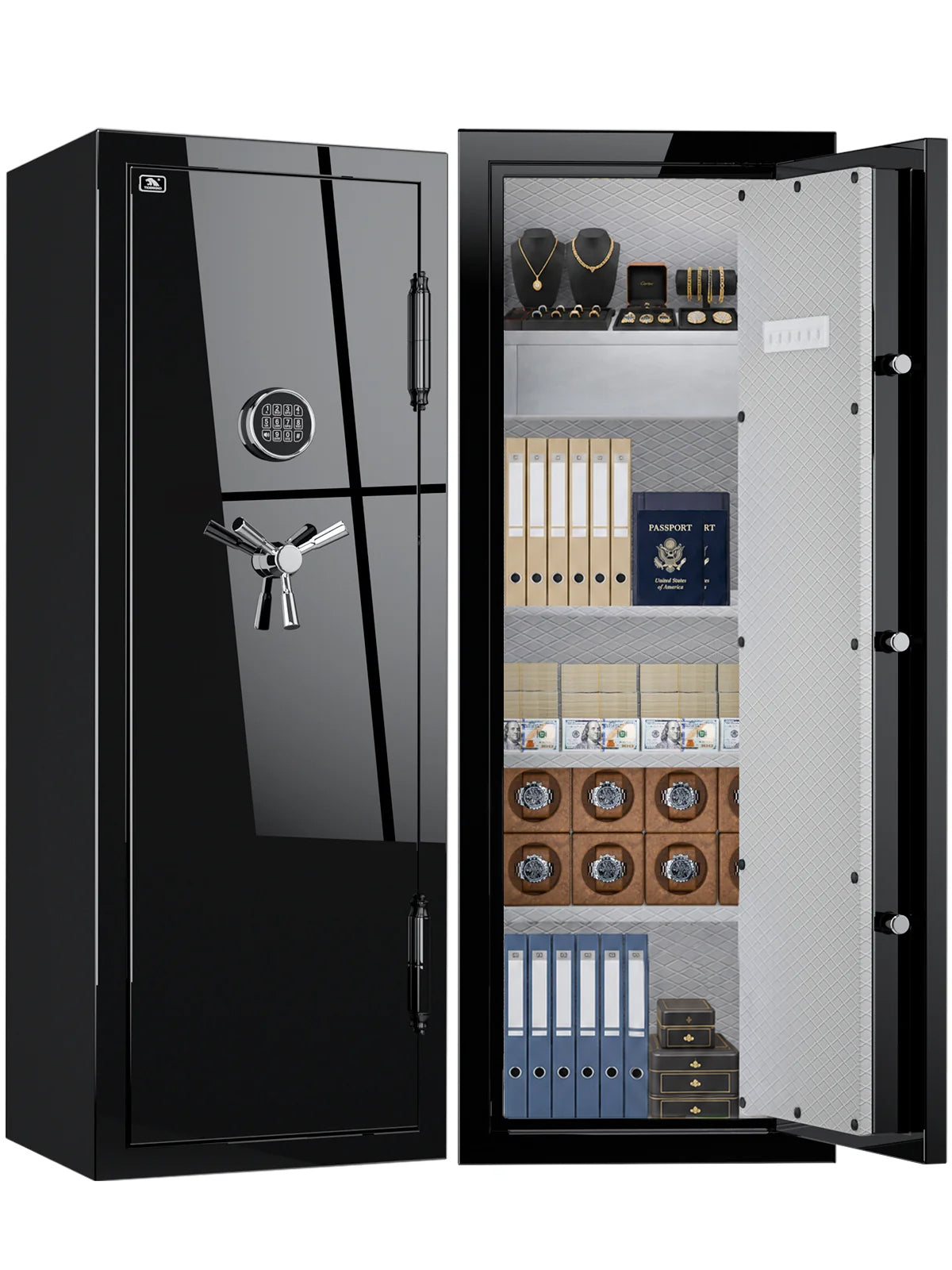
For example, the TIGERKING SPARK5517 weighs 203 lbs, while the larger SPARK5922 SE weighs 306 lbs. These models offer different storage capacities to accommodate different household needs.

Why Should You Bolt Down Your Safe – Even If It's Heavy?
Many people assume that bolting down a heavy safe is unnecessary, but this is not the case. Anchoring a safe helps prevent tipping and makes removal more difficult without specialized equipment.
Choosing a Heavy Safe That's Right for You
Heavy safes can offer practical advantages, including improved stability and resistance to unauthorized removal. Choosing the right safe involves considering steel construction, protective materials, size, locking systems, and placement within the building.
Ultimately, the choice depends on the value of the items being stored, available space, and specific security needs.
Explore TIGERKING home safes to find a model that fits your storage needs and home.


Share:
Can You Put a Large Safe Upstairs?